
Final Fight Revenge: An oral history, 26 years later
Five team members look back at the origins and development challenges behind Capcom's first — and still only — internally-developed, U.S.-made fighting game.
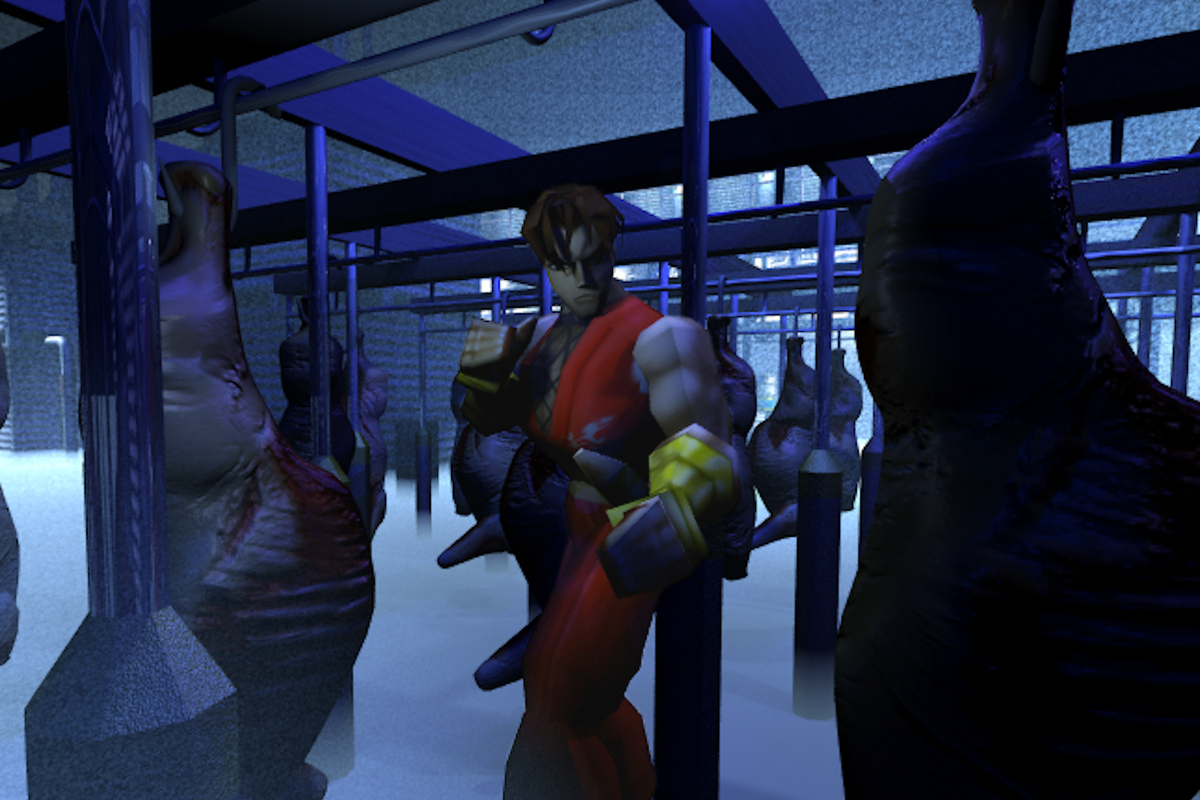
A few years back, I was fortunate to work on a Street Fighter history book with very few constraints. I spent years on it without much concern for deadline, budget, or page count. "Recklessly extravagant," I called it at one point.
Given the current state of games media, that feels like a lifetime ago. But even then it felt like a rare opportunity to see through a lot of ideas I'd been sitting on, so I made a point of trying to not leave anything out. 8,000 words on Incredible Technologies' Street Fighter: The Movie? Sounds like a good start.
And for a while after the book came out, I felt like I'd scratched that itch. I got back to writing about other games. I occasionally spent evenings not digging through interview transcripts.
Then in 2024, YouTuber Matt McMuscles posted a great video looking into what happened with Capcom's Final Fight Revenge, and I started to feel the itch return. Final Fight Revenge was, in many ways, the one that got away. The chapter of the book I wanted to do, but cut because I had to draw the line somewhere.
I imagine, to most people, it doesn't seem like an obvious choice. The game reviewed poorly, shipped on a console past its prime, and was largely overshadowed by high-end 3D games like Soul Calibur and Power Stone. I've always had a soft spot for it, though, and I can't resist a story about the challenges of Western and Japanese studios working together.
Over the past few months, I tracked down five members of the Final Fight Revenge team and former Capcom U.S. president Bill Gardner to look back on the unique circumstances and development challenges behind a game that was, as environment artist Adrian Ludley calls it, "a little bit of a plunk."
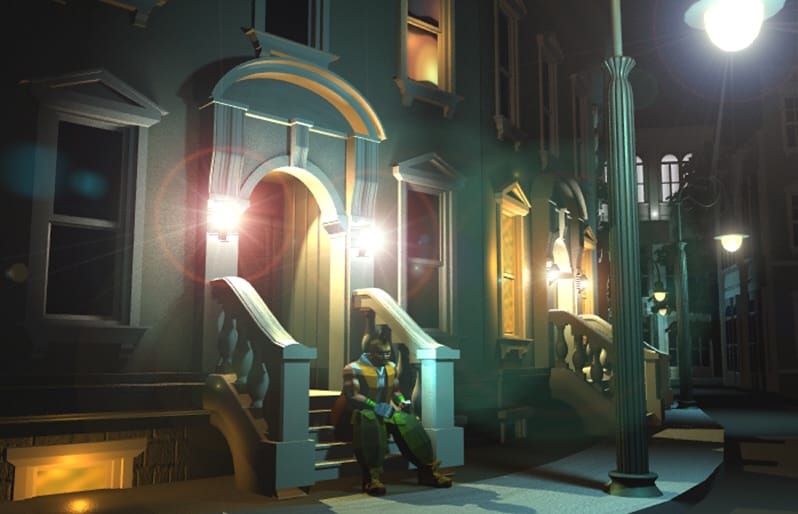
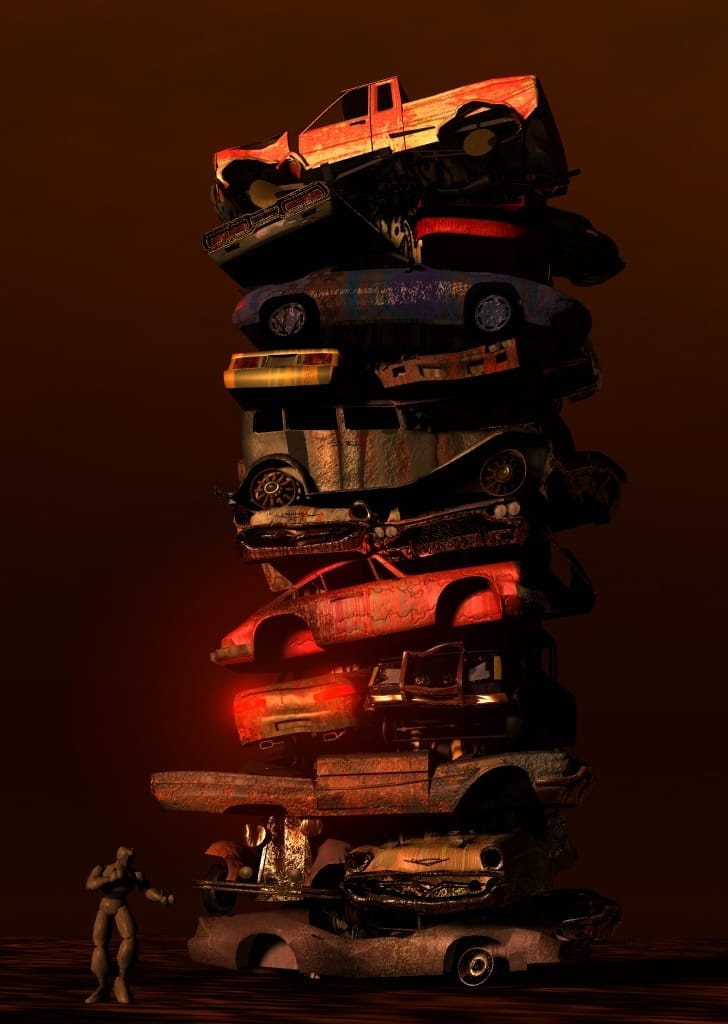
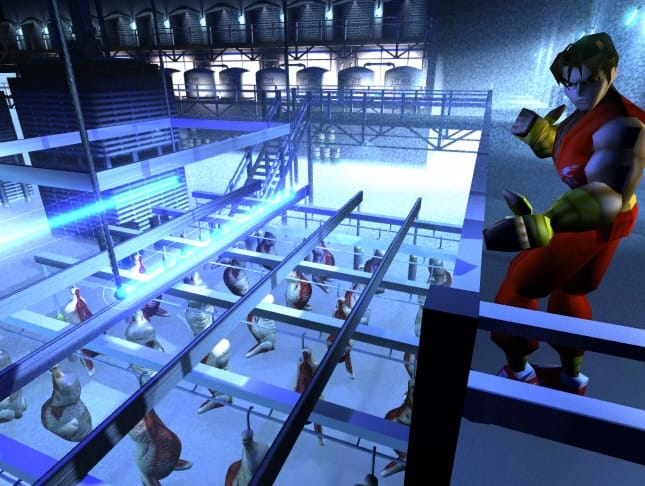
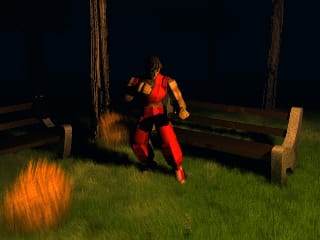
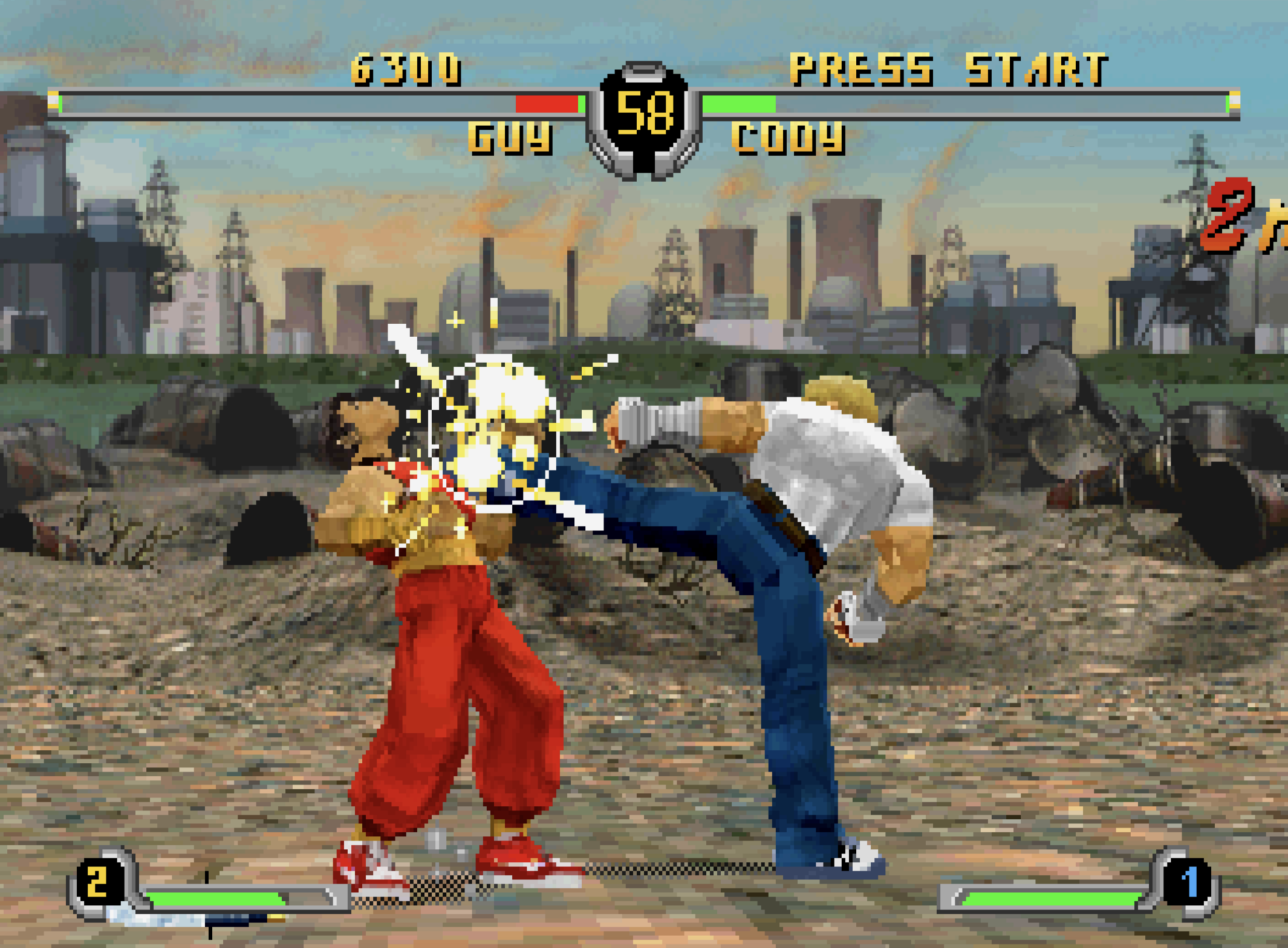
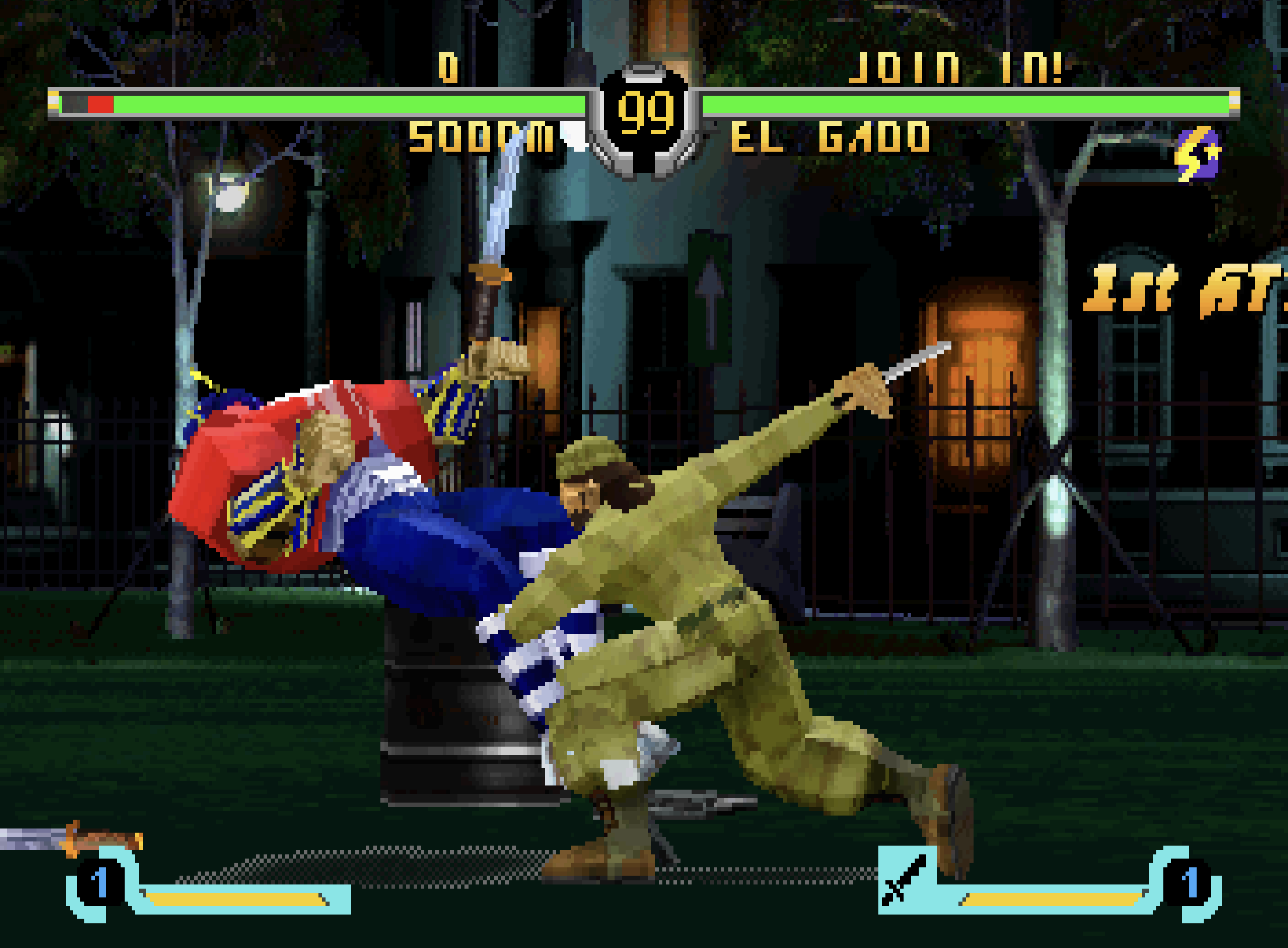
Capcom Digital Studios used Alias PowerAnimator to develop high-resolution assets for the game, then compressed them to fit on Titan and Saturn. | Images: Adrian Ludley, Capcom