Yoko Taro looks back on his first directing job
We have a new book excerpt from Archipel's "The Worlds of Yoko Taro" looking back on the development of Square Enix's action-RPG Drakengard.
Back in early 2000s, Yoko Taro wasn't yet a game industry celebrity. He hadn't yet become known for his mask, his outspoken nature, or the game that made him a star, 2017's Nier: Automata.
He was a first-time director working on Square Enix's Drakengard, an action-RPG that took inspiration from series like Dynasty Warriors and Ace Combat. And as he says in a new book from publisher Archipel, "The Worlds of Yoko Taro", he was figuring it out as he went:
"It's like trying to make three games within the budget for one. Realistically, it's not possible."
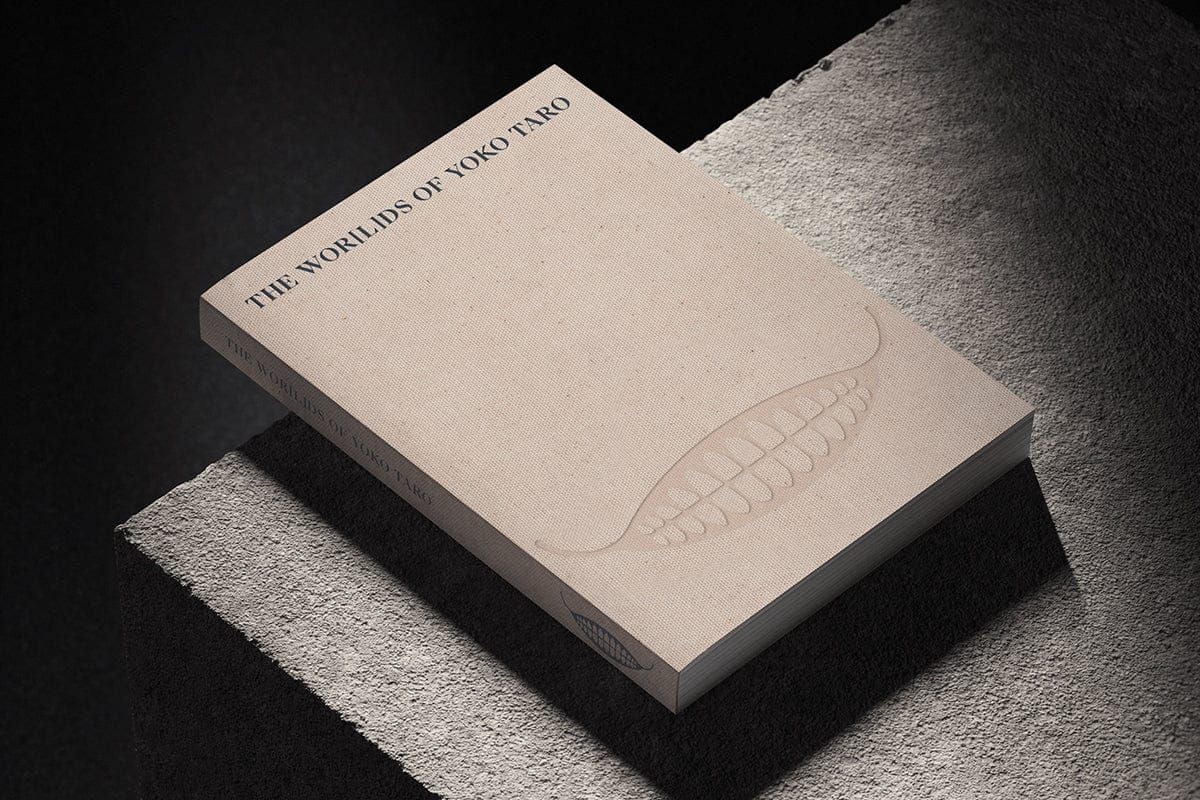
Funded via Kickstarter, the book — which covers Yoko Taro's game industry career as well his non-game work and writing process — is now shipping to backers, and those who missed the campaign can order a digital version or pre-order the upcoming physical reprint from Archipel's website.
Below, we have an excerpt from the book, where Yoko Taro and author Teppei Fujiwara look back on Drakengard's development and the decision to move in different direction from Final Fantasy and Dragon Quest.
It's getting hot out again. That sun's awfully strong. But it's oddly cool in here. Well, no point in just talking about the weather. Shall we get started? Alright then. First up is Drakengard. It was released in Japan as Drag-On Dragoon. How many years ago was this? Twenty years, maybe? They say time flies, but it's scary how quickly the days go by. To be honest, I don't know how much I can remember, but I'll do my best.
Well, this game was made by a company called Cavia, and it was the first title I was tasked with directing. Before joining this company, I worked for Namco, and then for what was Sony Computer Entertainment, which is now Sony Interactive Entertainment. What was I doing at that time?
At Sony, I was in charge of the graphics for a game called Phase Paradox. In the very early days of the PlayStation 1, there'd been a shooter game called Philosoma. Phase Paradox was a sci-fi adventure game that sort of inherited the world of Philosoma. It had a similar feel, at least in terms of content. When I was at Sony... It's been a long time now, so I think it's okay to talk about this, but the company changed its course and underwent restructuring. I was told I didn't need to come in starting the following month. When that happened, I promptly quit. Naturally, I started thinking about what to do next. No matter what, I had to work.
Then, and this was really just a coincidence, I got an invitation from a producer at Cavia named Takuya Iwasaki, who said they were looking for an art director for a new game title, and invited me to join them. Incidentally, Iwasaki was a friend of mine from my college days, and also a colleague from my time at Namco. It was Iwasaki who contacted me, and it was a lifesaver. I immediately told him I'd just been fired, and that I'd do it. I was grateful to join Cavia. And that's how I ended up working there.
When I started at Cavia, there were several projects in the works. In fact, there was already a prototype of Drakengard. Let me tell you about the background and how this prototype came to be.
There's a big company I'm sure you know, Square Enix, where there was a producer named Takamasa Shiba. Strictly speaking, Square and Enix hadn't merged yet, so Shiba was an Enix employee. But after the merger, Drakengard was ultimately released by Square Enix.
Shiba became friends with Iwasaki from Cavia. And they started talking about developing a game with funding from Enix. Iwasaki proposed using some of the many members of the team responsible for the Ace Combat games at Cavia to make an aerial combat game with dragons. That's how Drakengard began.
This was around the time I joined Cavia. Which is to say, the "game with dragons" part was decided before I joined the company.
So, after joining the company and working on Drakengard, Shiba said that Dynasty Warriors was a fun game and he wanted us to include something like that. And Iwasaki gave the go-ahead. Well, Cavia was a subcontractor, after all, so declining the request wasn't an option. Since I was the art director, I kind of watched all this like it was someone else's problem.
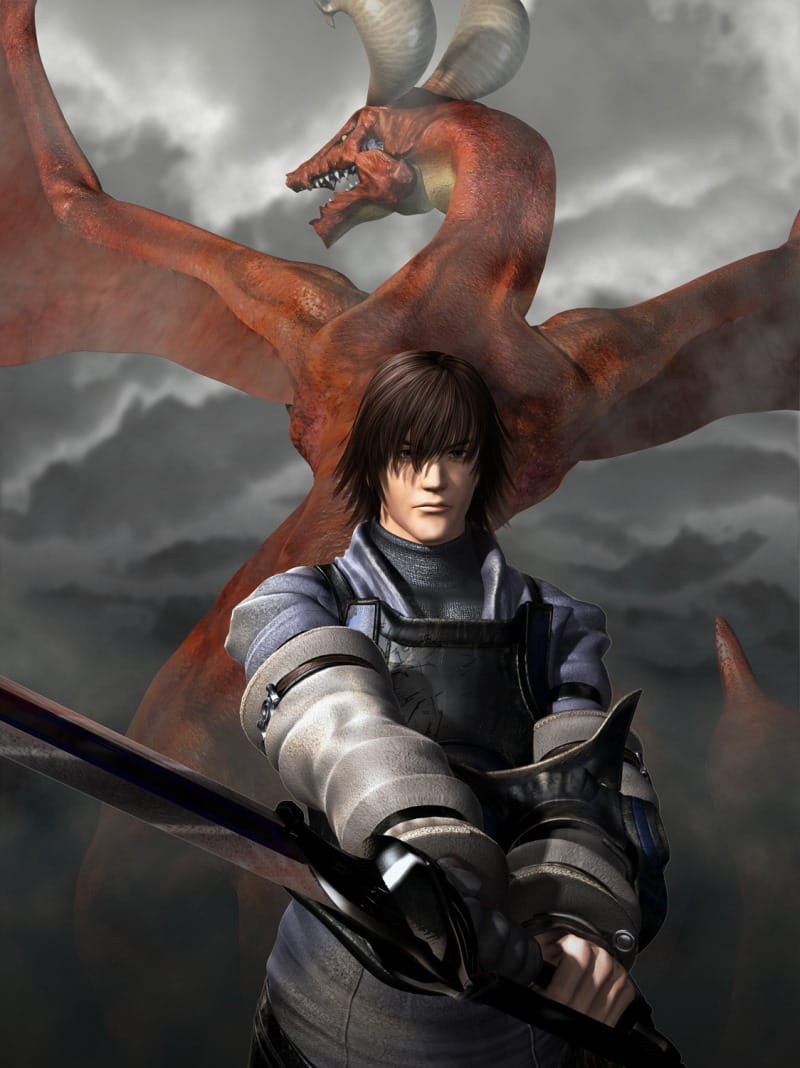
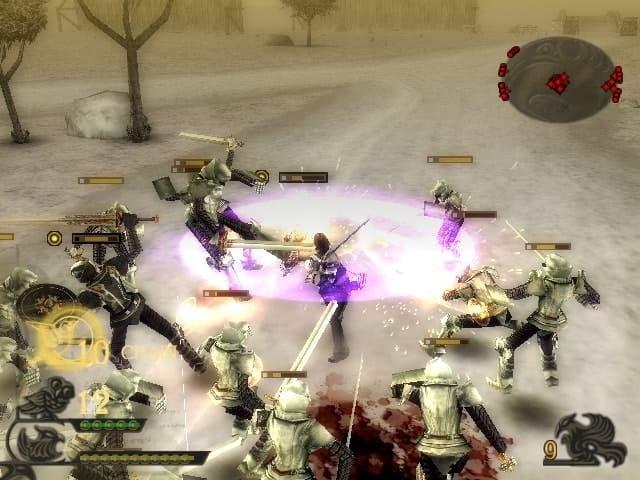
Drakengard's ground combat resembles that of the Dynasty Warriors series. | Images: Square Enix
At the time, at Cavia, we were also working in parallel on a separate title, a light gun shooter game called Resident Evil: Dead Aim. Needless to say, the Resident Evil series was a major franchise and one of Capcom's flagship brands. In fact, the team size had grown, and Iwasaki, who was concurrently serving as producer for both games, ended up giving almost all his attention to Resident Evil. That just shows how big a job it was. But that aside, a problem arose.
Initially, Iwasaki was also supposed to direct Drakengard. But given his situation, they decided it'd be too much for him to take on the role of director. Which naturally led to the question of who would take his place.
This might still be the case today, but at that time, I was the team member most vocal in expressing opinions. So they said, "Why don't we just let Yoko do it, since he's got so much to say?" And that's how I landed the job. It wasn't that I had some great ambition to become a director. It's just that events happened to unfold that way. That's how companies are, right? Uh-oh, I'm getting sidetracked. Let's continue.
So, anyway, I became a director. And that in itself was fine, but given how it happened, and with the mountain of things that needed to be done, it was tough. And on top of that, Shiba now said he wanted to add RPG elements, in addition to the aerial combat and action game aspects.
Shiba's idea was for it to be like Ace Combat with flying dragons, add in some popular Dynasty Warriors elements, and throw in some RPG elements because Enix was known for its role-playing games. He just thought if we have all those in there, it's gotta sell!
Having said that, it's like trying to make three games within the budget for one. Realistically, it's not possible. Among the staff, people were saying things like, "There's no way we can make something like this." Even so, as the development team, we couldn't just shake our heads and refuse to do it either.
So that's a rough idea of what Drakengard development was like in the early stages.
I'm surprised I remembered that much. Is it okay to continue like this? It's okay? Well, if you have any questions, just let me know.
So, picking up from the point where I became the director. Given the impossible task of making a flight game, action game, and RPG all rolled into one, the first thing I thought of was how to "fake it" well enough to satisfy those three requirements. Well, "fake it" sounds bad, but the basic question was how to present things and look convincing. With that in mind, we worked hard as a team, throwing around ideas and figuring things out together.
First, we decided to keep the flight simulation parts relatively light. And for the action parts, we decided to concentrate our efforts on creating multiple gameplay spaces. As for the RPG parts, we realized it was basically impossible to make them as satisfying as we wanted. But this was a time when customers would complain if the playtime was too short, so we had to find some way to increase the game's value in terms of hours played. That led us to ask how we could increase playtime without spending a lot of money. And the result of that was a system we came up with called "weapon stories."
This involved attaching a short story to each weapon, and those stories progress according to how much you've used that particular weapon. In other words, to read a weapon's story all the way to the end, you had to level that weapon up to the maximum. We figured this would motivate players to keep using weapons they wouldn't normally pick up, just to level them up, and that this would naturally increase the overall playtime.
The weapon stories system was later adopted in the NieR series and other titles. Writing text is much cheaper than producing visuals or music. And since the stories don't have to connect, they can be produced in parallel by different people. I still think it was a surprisingly good invention.
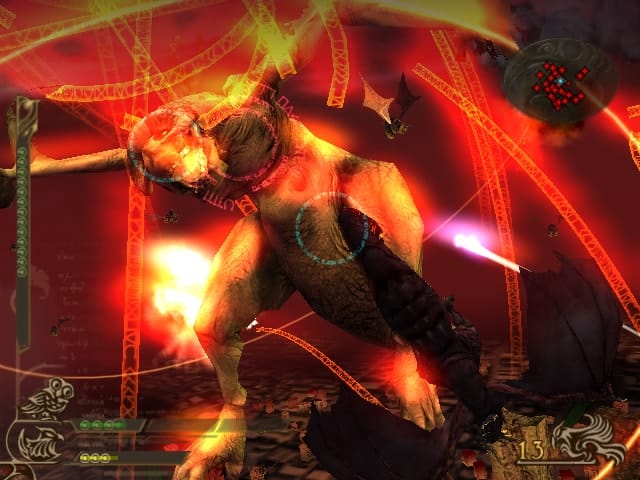
In some Drakengard missions, players take control of a dragon to battle in the air. | Images: Square Enix
"Enix, medieval, dark"
From this point, we moved into full-scale production. As for the story, it had already been decided at that stage that it'd be a fantasy set in a medieval world, where the protagonist rides a dragon and battles enemies.
Well, this is a bit of a personal thing, but I'm not really that into fantasy myself. If anything, I'm more of a sci-fi fan. I've always liked Dragon Quest. But honestly, I haven't played that many other fantasy games. Even with movies, when I was a student, I mostly watched sci-fi.
But I was really hooked on the manga "Berserk", which I found fascinating. So it's not that I disliked fantasy per se. I just hadn't really been exposed to it much. That said, incorporating fantasy elements into Drakengard had been set as one of our top priorities. And personally, I also felt it was a necessary element. So I thought about different possibilities, like maybe combining a foundation of fantasy with sci-fi elements. But even back then, there were already several games that mixed fantasy and sci-fi, Final Fantasy being a prime example. So that category was already pretty well established. Which meant if we went in that direction, it'd inevitably end up feeling similar to existing Japanese RPG titles.
So I decided that, even though I personally like sci-fi, we'd have to minimize that influence on this particular project. Given that, I thought what we should aim for was something that, at first glance, looked like fantasy, but without appearing to have any trace of sci-fi mixed in.
What's that? "Without sci-fi mixed in?" Maybe that's a bit hard to grasp. Let me explain.
For example, you know those train station bento box lunch rankings they have? Usually, the top spots are something like beef over rice in first place, and then rice-filled squid in second. But a bento box with a whole bunch of different little dishes rarely makes the list. You don't know about this? Well, anyway, that's how it is.
What I'm trying to say is that products with a simple, clear concept are usually the strongest. I think the same applies to games: just like train station bento lunches, a consumer game's first impression before purchase is extremely important.
A lavish production like Final Fantasy is like a multi-course meal, the grandeur itself is part of its value. But with a Drakengard-sized budget, if you try to make a multi-course meal, it's going to end up looking meager and unimpressive. So we needed a package that looked relatively simple. In other words, a product like a beef-over-rice bento. That's the idea.
The next thing I decided was to make it a dark story. When people now think of Square Enix, they immediately think of those two flagship titles, Final Fantasy and Dragon Quest. So it was easy to imagine Drakengard being compared to them. I felt we needed to make something that clearly set itself apart.
So, how could we make it different? Not that I was being all high and mighty about it. Honestly, I just consciously pulled in elements from things that were popular at the time, or things I personally liked and which Final Fantasy and Dragon Quest didn't have.
For example, the first one would be the manga "Berserk". That manga is an absolute gore fest. You just don't see that kind of body count in a Square Enix title. Next was a game called Ico, created by Fumito Ueda. I loved that game too. It was on a whole different level from the flashy visuals of Final Fantasy or Dragon Quest. But I thought by adopting a kind of subdued aesthetic, we might be able to create a more meaningful presentation.
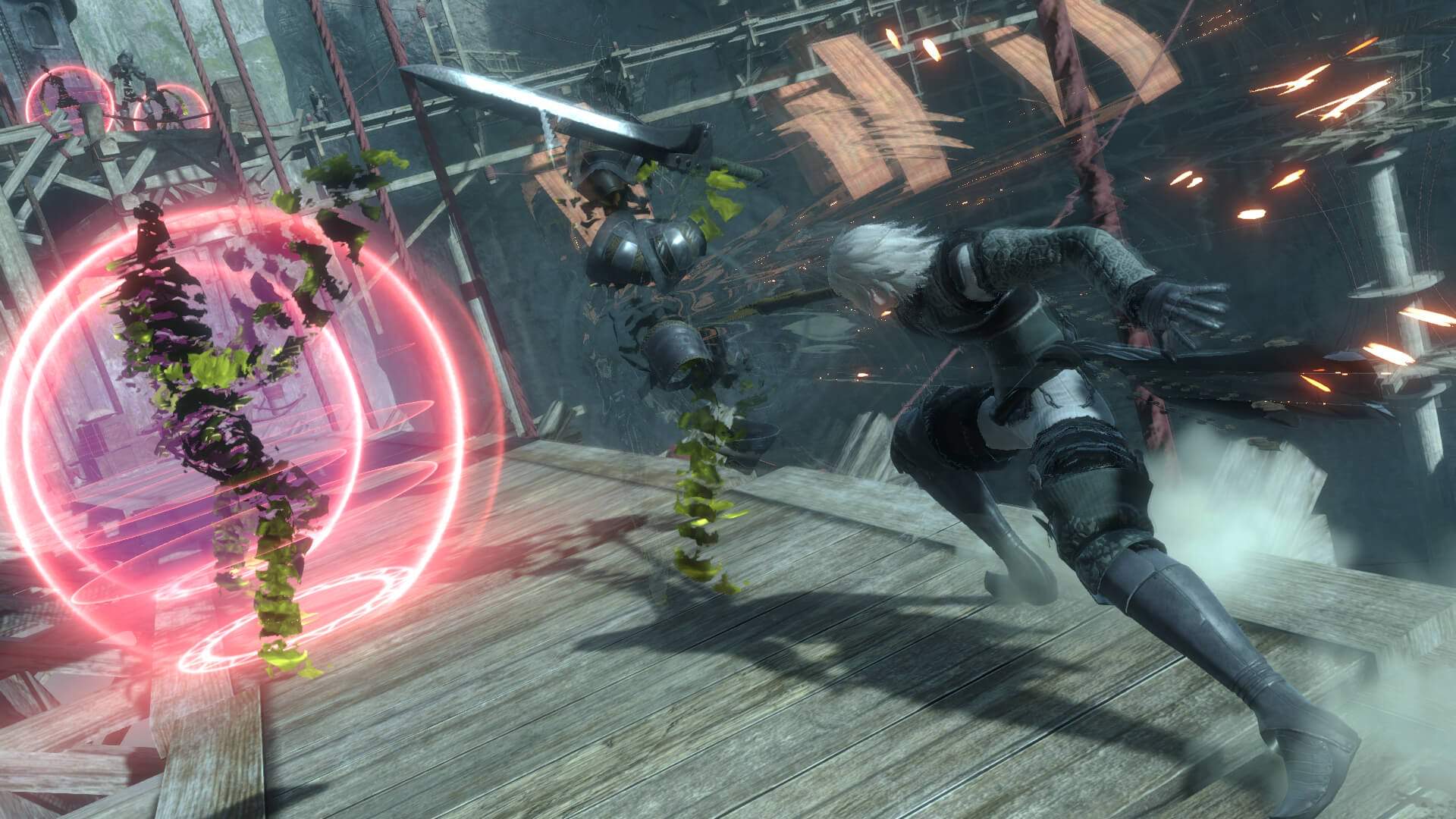
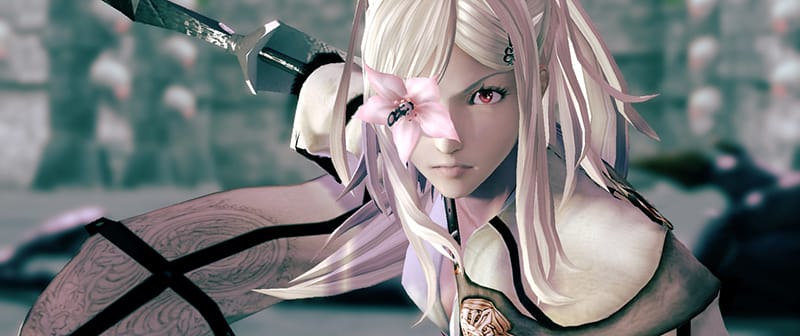
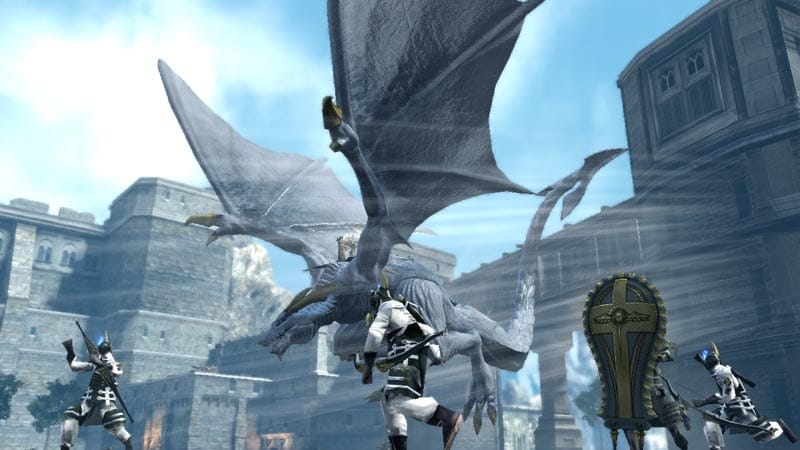
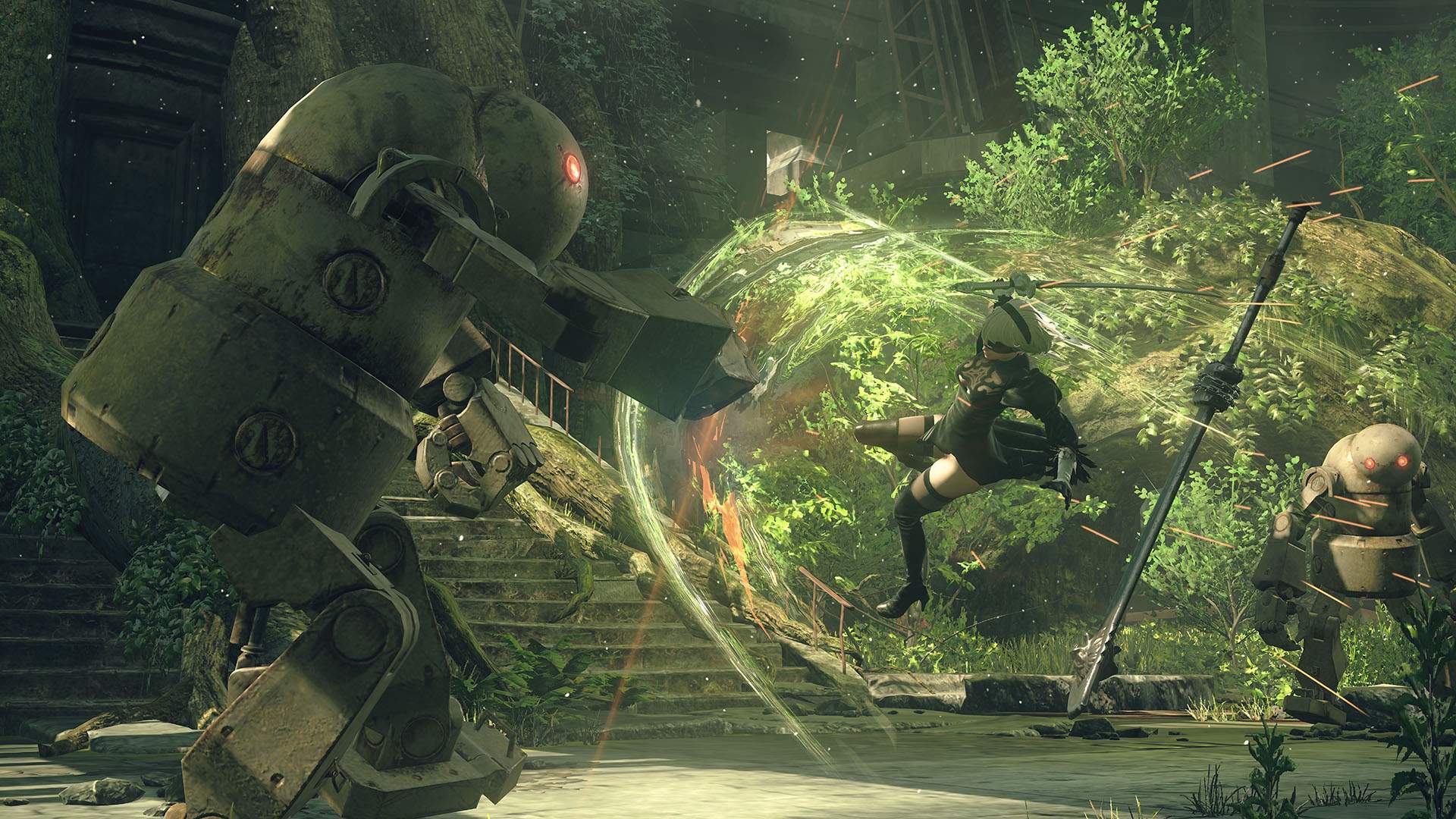
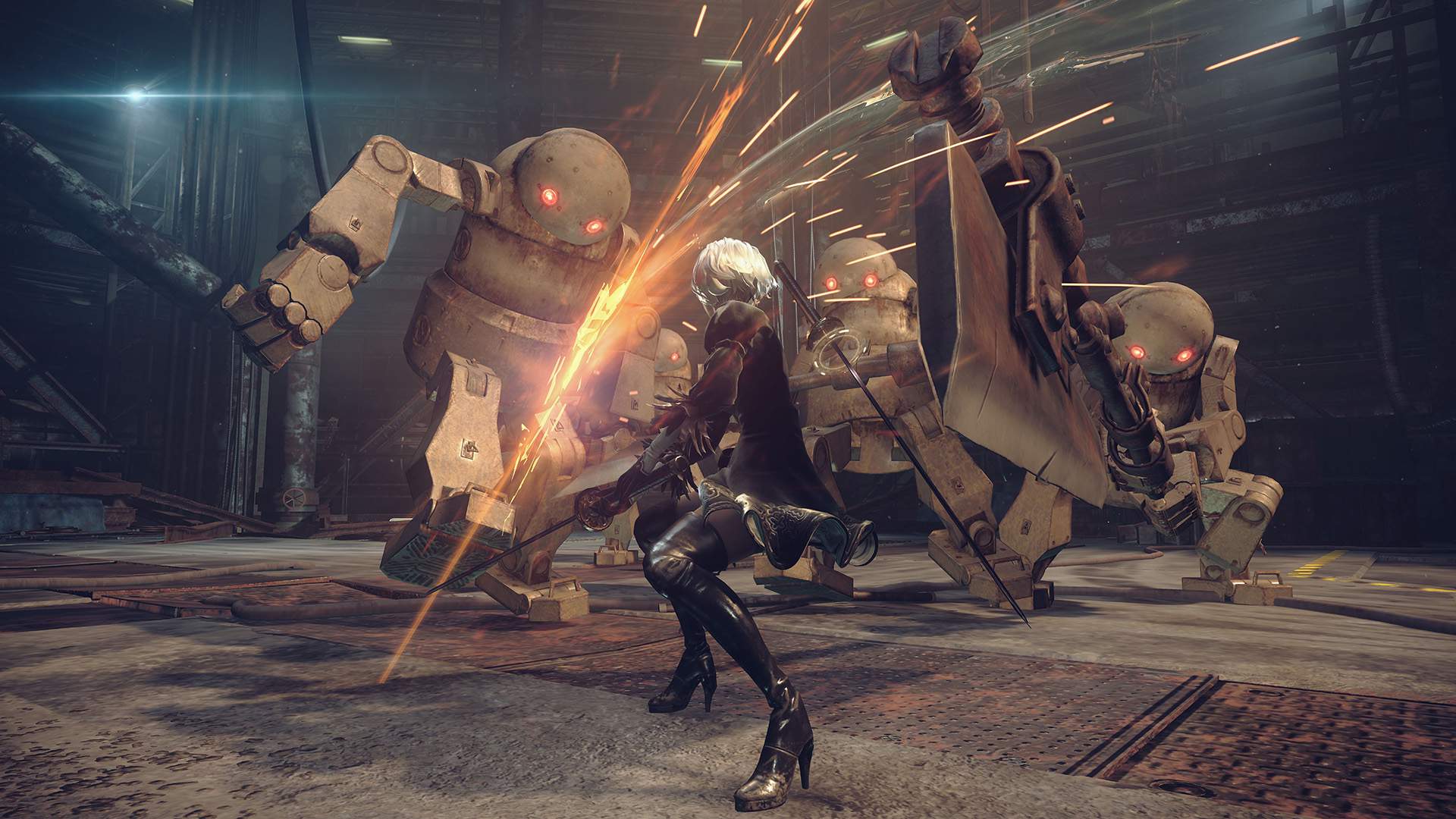
"The Worlds of Yoko Taro" also covers Nier Replicant (remake seen here), Drakengard 3 (briefly), and Nier: Automata. | Images: Square Enix
I also borrowed a few things from Hideaki Anno's Evangelion, and picked out other elements I felt were necessary from several other works. I was never cagy about doing that. I was open about it from the start. In fact, the project's code name during development was Guts, after the main character in "Berserk", and the heroine Furiae was code-named Ayanami, after a main character in Evangelion!
Of course, there were also a number of elements that I felt were original. For example, the mysterious religious group called the Cult of the Watchers. I came up with that when I thought it might be interesting if supposedly benevolent angels appeared as enemies. But looking back now, I guess that was a total Evangelion rip-off. Not original at all.
Oh, and about the story. At first Enix didn't give me any feedback. Later, they got mad and said it was too dark. But by that point, I pushed back, saying there's no point in telling me that after the fact.
Looking back, I think that leeway, the producers' lack of interest, gave me the creative space to build that kind of world. That could also be said of my other subsequent works, but I never had the desire to express myself through my work at all. For me, it just felt like working on a kind of puzzle, finding solutions within a web of constraints.
Sure, maybe some of my personality ended up in the results. But fundamentally, it started with an assignment from Enix, then analyzing the state of the game market at the time, and from there, just doing the calculations. Given these constraints, here’s the kind of thing we need to make. That’s how the concept and the story came together.
And so, the product concept for Drakengard came to be "Enix, medieval, dark". That's where the darkness came from. Sometimes people ask me why the world of Drakengard is so dark. And my answer is always the same, it's all because of Final Fantasy and Dragon Quest!