
The Addams Family pinball: An oral history
We talk to the team behind the 1992 breakout hit to learn about licensing, magnets, and how it designed the most popular pinball game of the '90s.
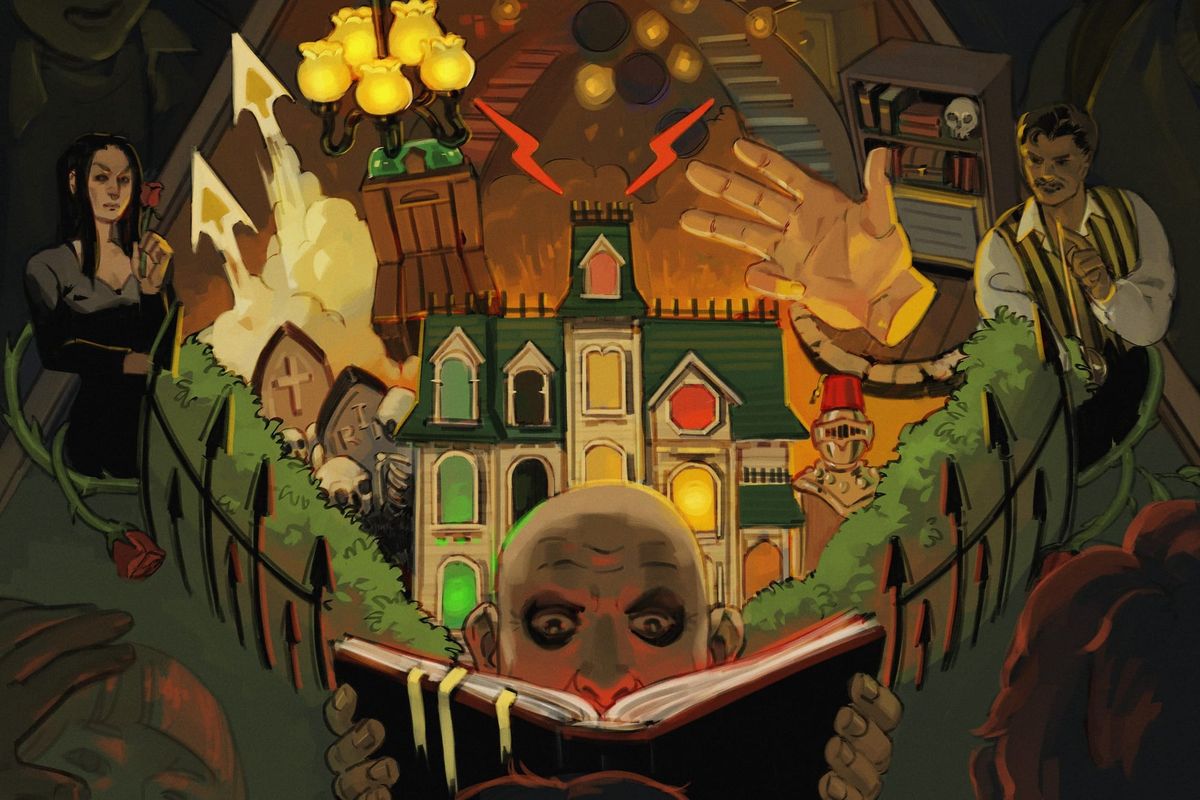
In 1978, Nolan Bushnell, co-founder of Atari, asked the author and pinball journalist Roger Sharpe, "When are you going to write a book about video games?"
Sharpe replied, "When you guys have enough of a history."
In the history of pinball, Sharpe figures frequently and in episodes of high drama. In 1976, Sharpe, then 27, testified to the Manhattan City Council at the behest of the pinball industry, in opposition to a ban on coin-operated pinball. The thinking behind the ban held that a player of pinball could not actually influence the outcome of a game; therefore, pinball was not a game at all, but the unregulated practice of gambling.
Sharpe, who did not work in the pinball industry but had incredible facility as a player of pinball machines, went hands-on in the courtroom with the Gottlieb game Bank Shot and predicted that if he pulled the plunger just right, he could send the ball down the middle lane. By calling a trick shot and executing it, he overturned the ban and saved pinball that day. Pinball was a game — and he had mastered it.
But if the ball had not fallen down the middle lane, and instead had been seized from the playfield by a disembodied hand, hurtled around by hidden magnets, and shot from a flipper controlled by a computer — then who knows where pinball would be today.
The Addams Family — a pinball game based on the 1991 Barry Sonnenfeld movie, released in 1992 by the major manufacturer Williams — is one of the other great achievements in the annals of pinball. It was the bestselling pinball machine of the '90s. It was, like Sharpe in the Manhattan courtroom, a high-water mark for the industry — and Sharpe was part of it, too.
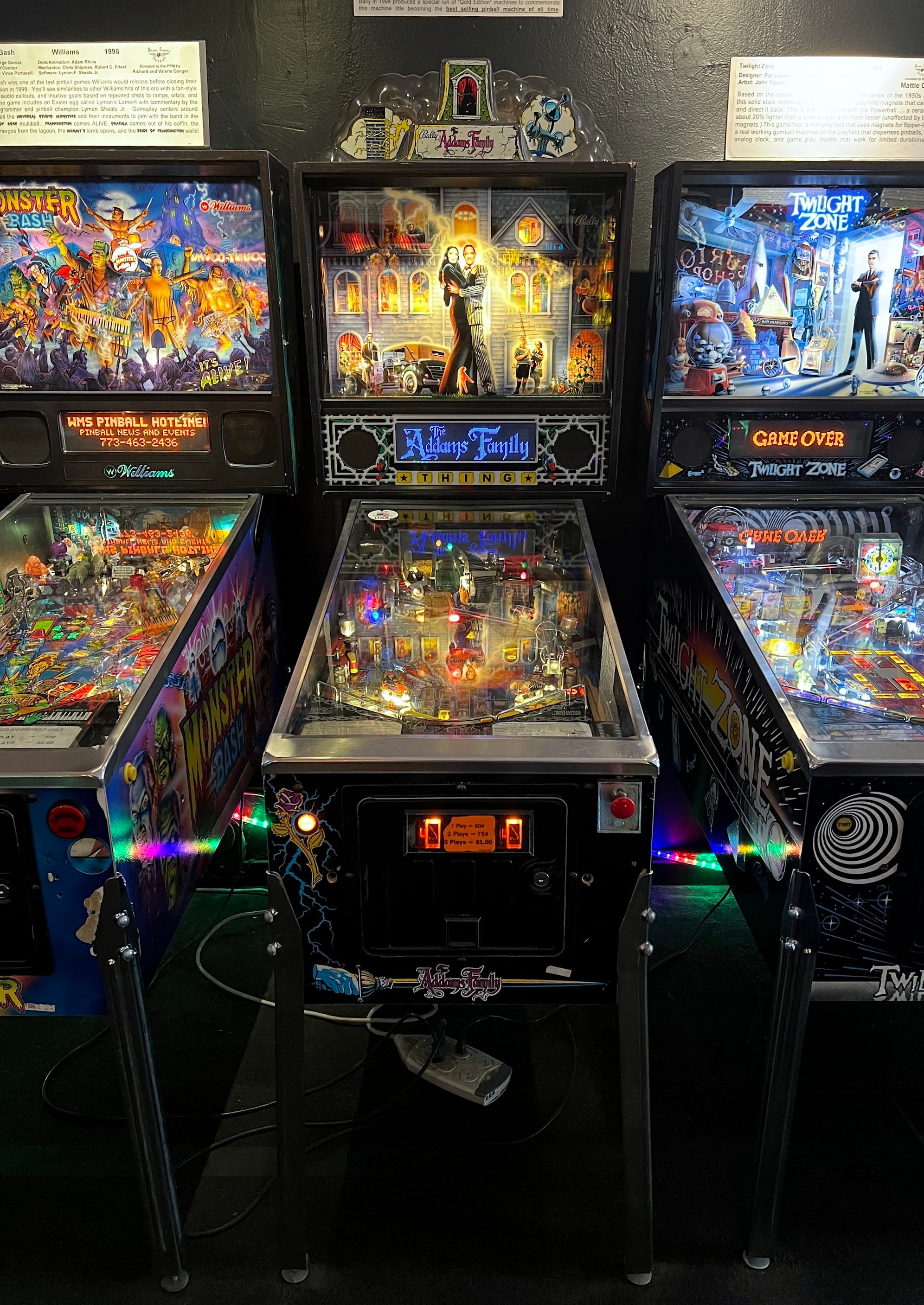
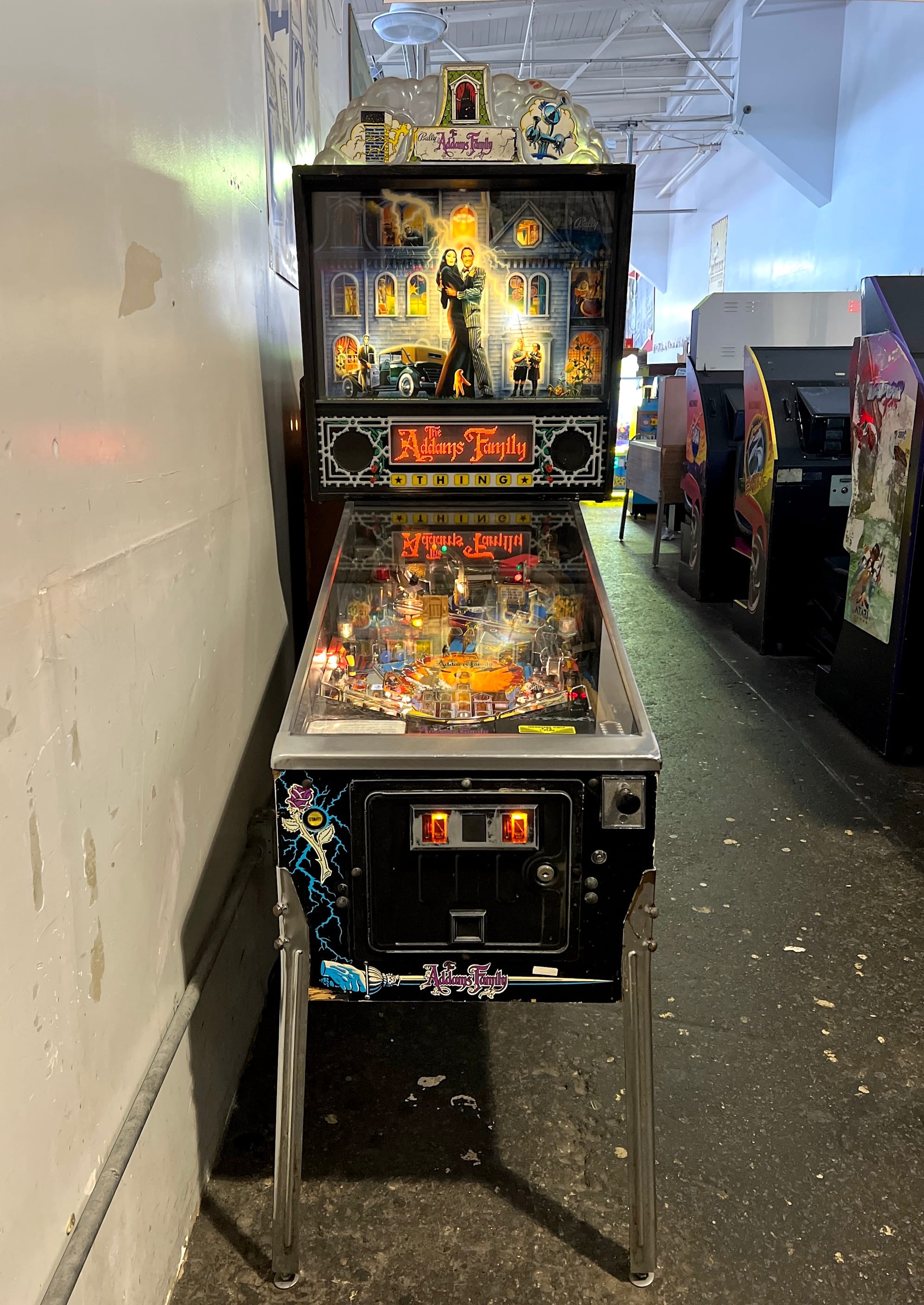

The Addams Family in 2026 at Pacific Pinball Museum, Musée Mécanique, and Free Gold Watch. | Photos: Matt Leone for Design Room