
Spore: An oral history
A wild bet in development for the better part of a decade, Spore reached for the stars — and, at times, got there. We recently spoke to eight team members, including chief designer Will Wright, to look back.
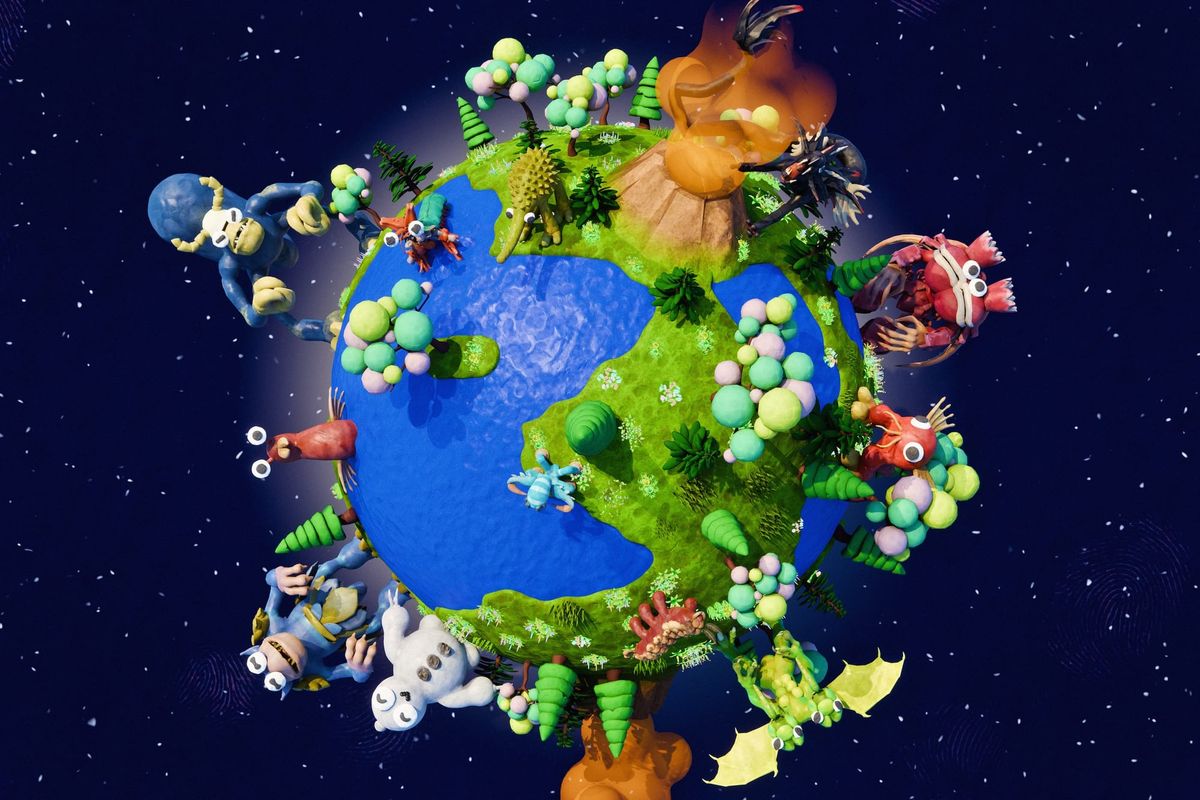
By the turn of the millennium, designer and co-founder of Maxis Studios Will Wright had been working on simulation games for more than a decade. Beginning with the release of SimCity in 1989, his team's games had reached millions of players and led to Maxis being acquired by Electronic Arts. Then in 2000, Maxis released runaway success The Sims and began work on a follow-up, The Sims Online.
Partway through The Sims Online's development, though, Wright's mind was elsewhere. At a Jack in the Box down the street from Maxis' offices in Walnut Creek, California, he described the next game he wanted to make to The Sims Online's design lead, Chris Trottier. He framed it as an exploration of the improbability of human existence, citing the Drake equation, which attempts to estimate the number of extraterrestrial civilizations in the universe by considering the rate of star formation, the amount of planets that can support life, and other factors.
"He was like, I want to do a game about all the things that had to happen for humans to exist, improbability upon improbability upon improbability," says Trottier. "I want people to have an innate, marvelous sense of how amazing it is that we ever happened in the first place. And they'll do it by experiencing one failure after another after another."
This is the story of an improbable video game.
We recently spoke to Wright, Trottier, and six other team members to look back at the development of Spore — from the early hype, to the lengthy production process, to the "black magic" of the creature creator and the challenges of turning a high-concept vision into a cohesive product.