Lorelei and the Laser Eyes: An oral history
Just a couple of years post-release, we round up the team behind Simogo's puzzle masterpiece to look back at its five-year development process.
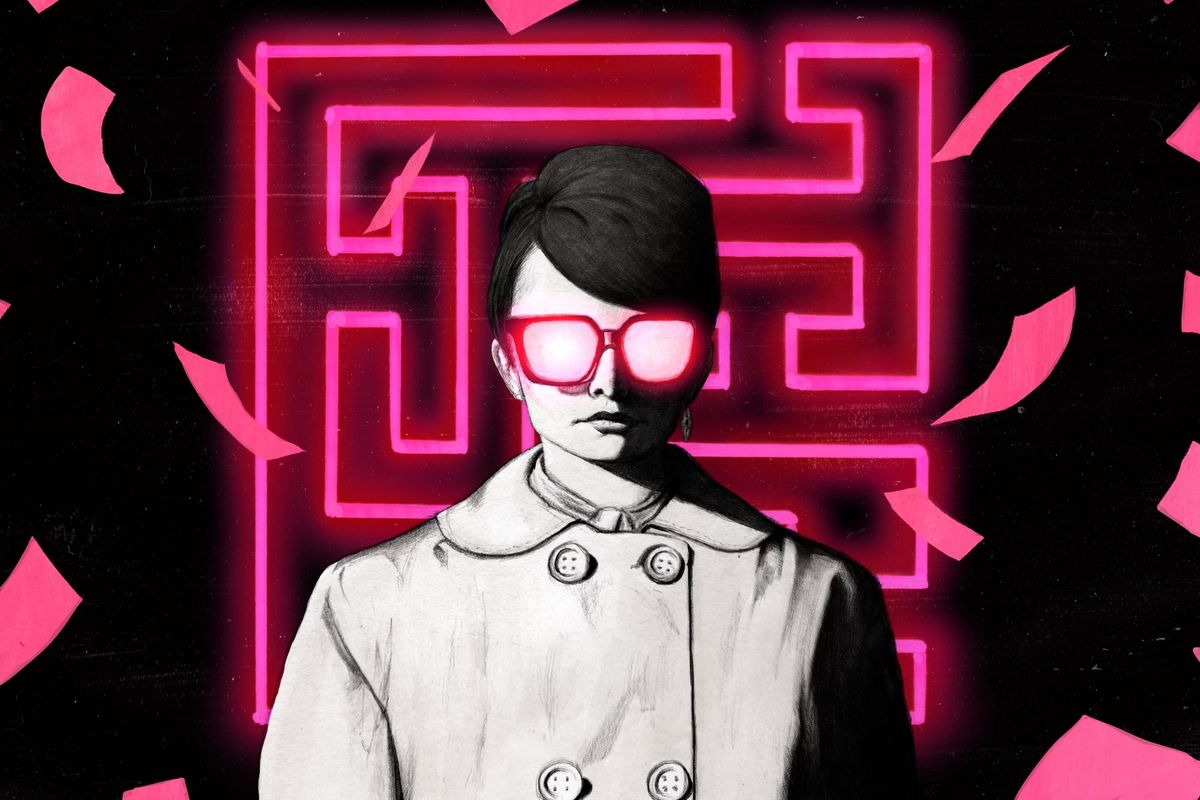
The Lorelei and the Laser Eyes of 2020, as seen in an internal trailer published on YouTube in 2026, is not the Lorelei and the Laser Eyes that was released in 2024. Pieces of the final vision appear. Lorelei is there, as is the mansion. It's all rendered in black, white, and flashes of pink. But look closer, and you'll see a survival horror vibe. And is that combat?
According to Simogo co-founders Simon Flesser and Magnus "Gordon" Gardebäck, the development team scrapped multiple versions of the game over the course of five years, and the concept wasn't clear to the team until less than a year before launch.
Flesser, who planned the majority of that concept in his head, says he didn't even know exactly what the game was until "very late." Anyone looking at his design notebooks, full of scribbles, ciphers, and drawings, might think he'd gone mad.
When the game was released in May 2024, though, those scribbles finally made sense — and plenty of players started their own madman scribblings to work through the game's puzzles. As released, Lorelei and the Laser Eyes is a surrealist labyrinth of puzzles tied up in a central European mansion. Playing as Lorelei, the player finds their way through the story using words, shapes, and numbers, with puzzles that build and become more complex as the narrative becomes more detached from reality.
Looking back on it now, it's hard to imagine a time when the striking vision wasn't clear. Regarded as a masterpiece by critics, Lorelei has a distinct feel that Simogo sticks to relentlessly; everything in the game feels intentionally placed to guide, confuse, and teach the player about the mansion. Even Simogo needed a flowchart to make sense of it all.
We recently spoke to four team members about the dramatic changes in the game's vision and the processes that took the studio to where it landed. All that lost work ended up helping the final vision, says Gardebäck, even if it's not immediately clear.
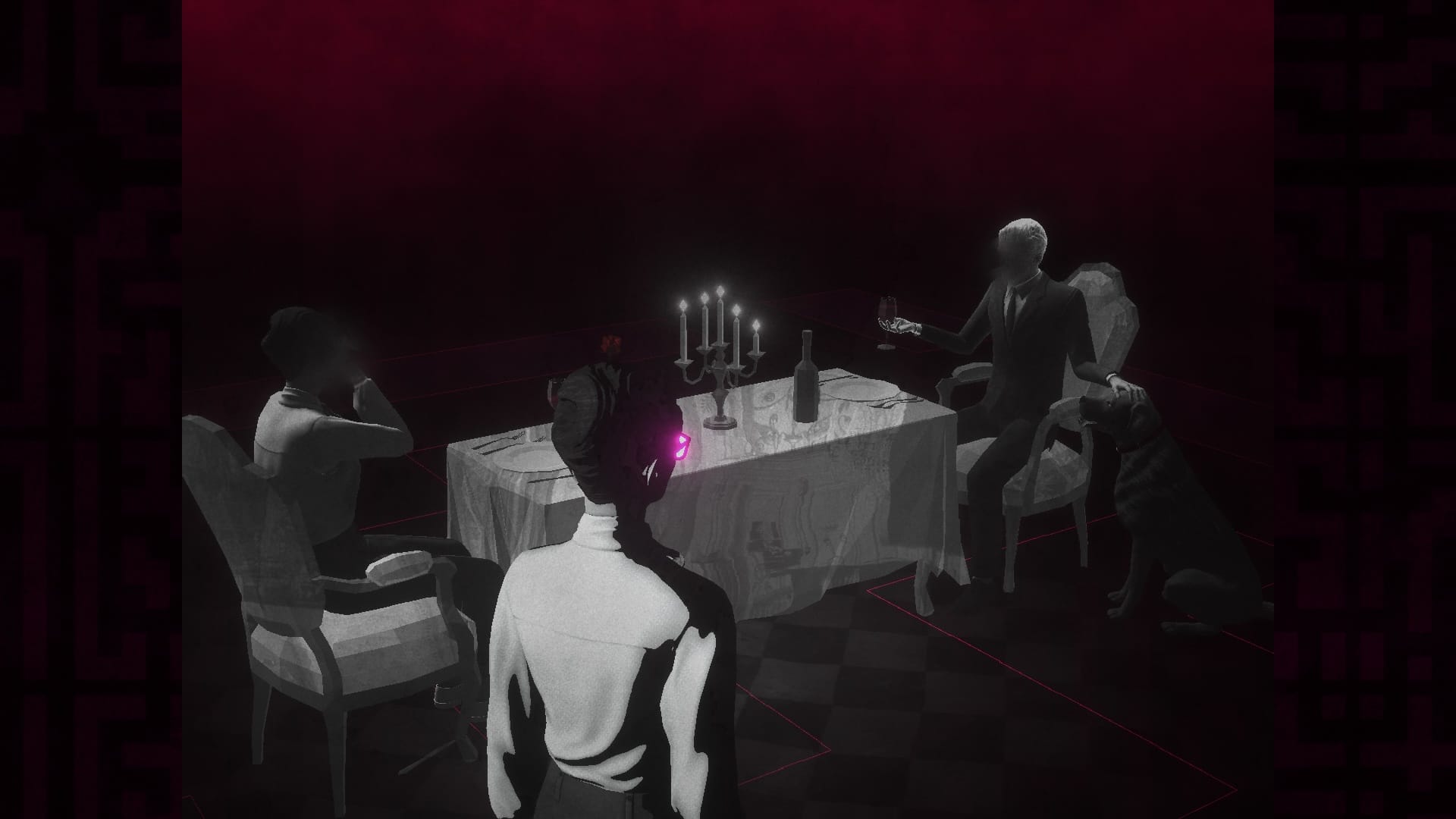
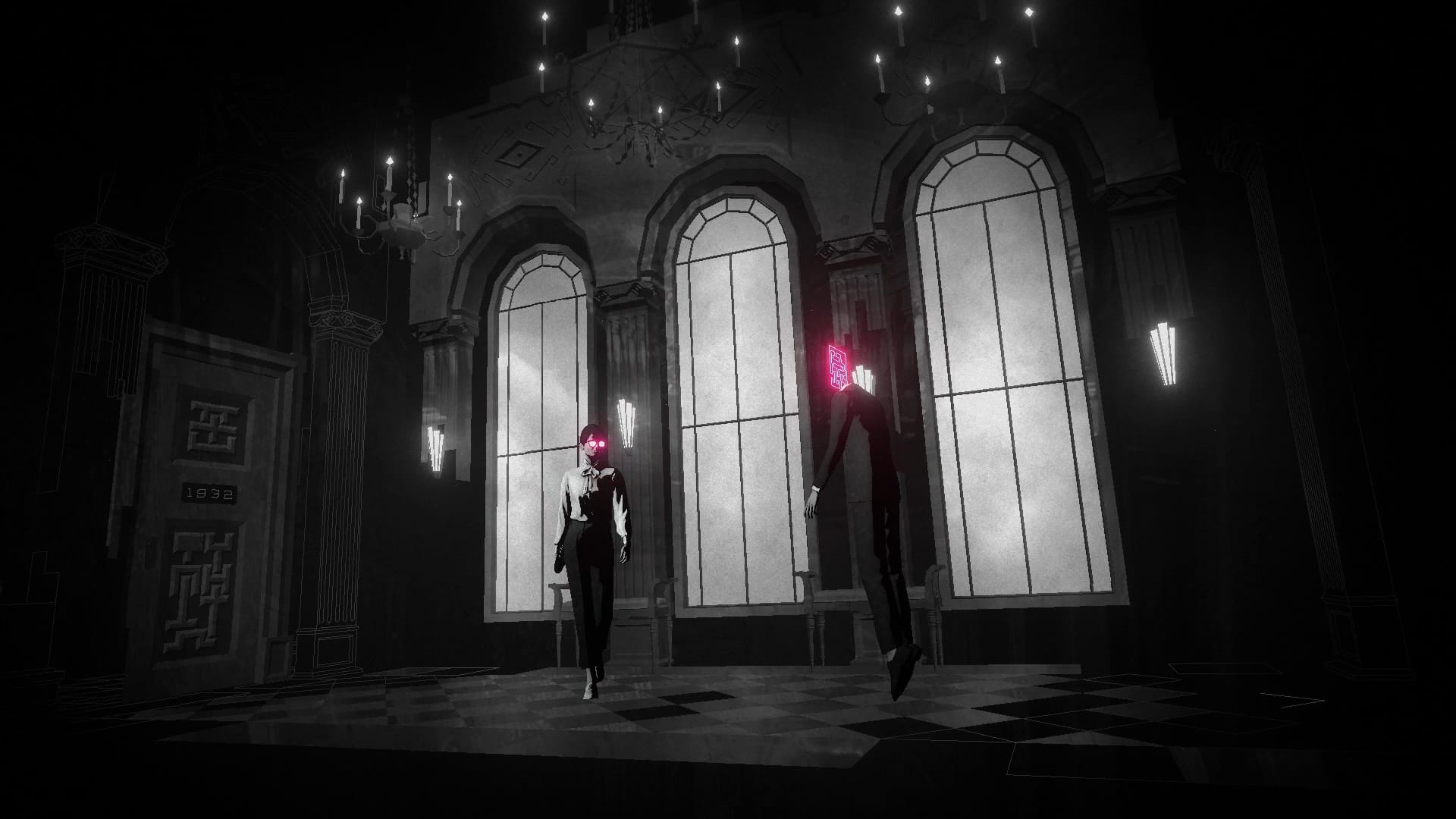
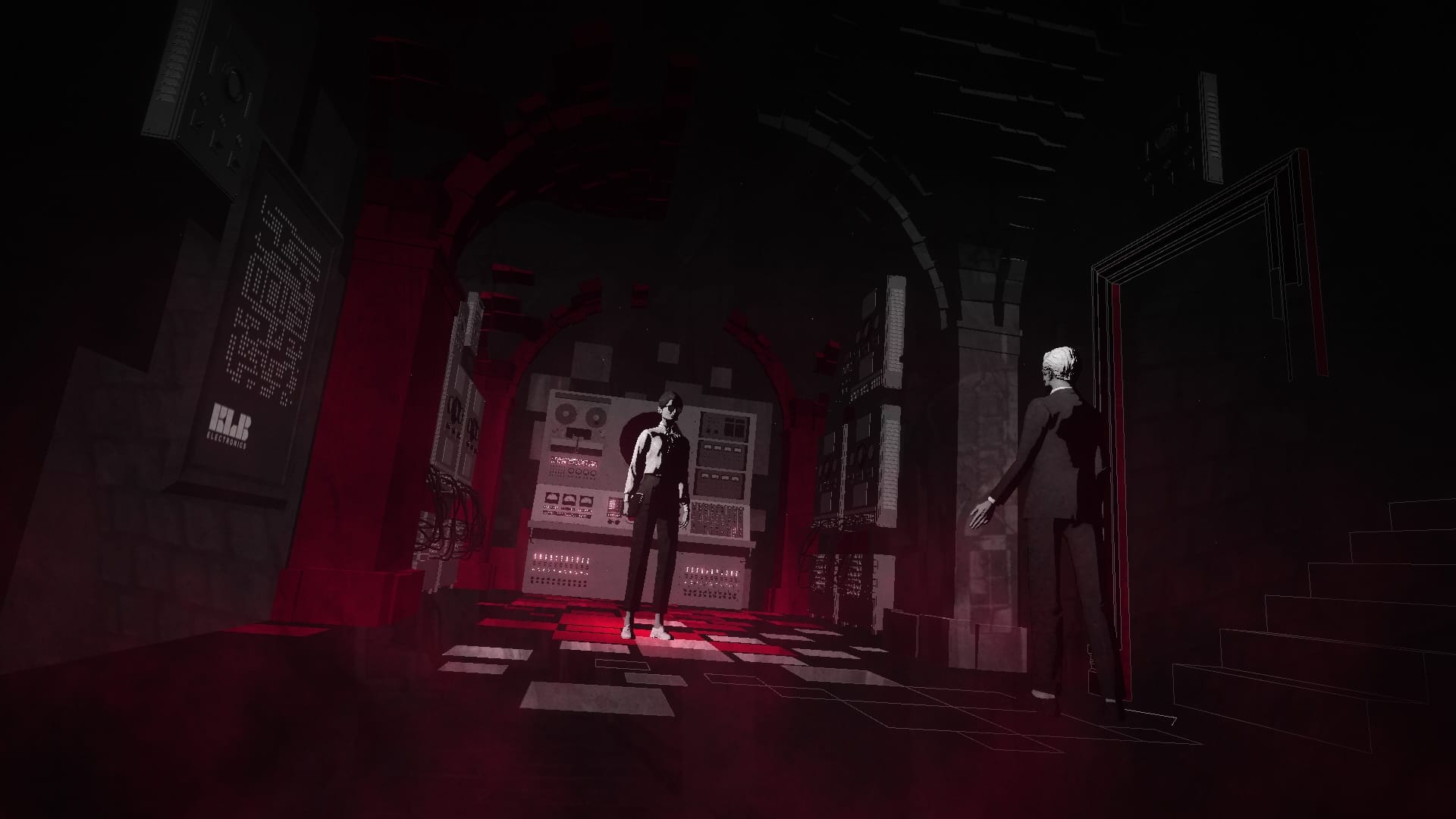
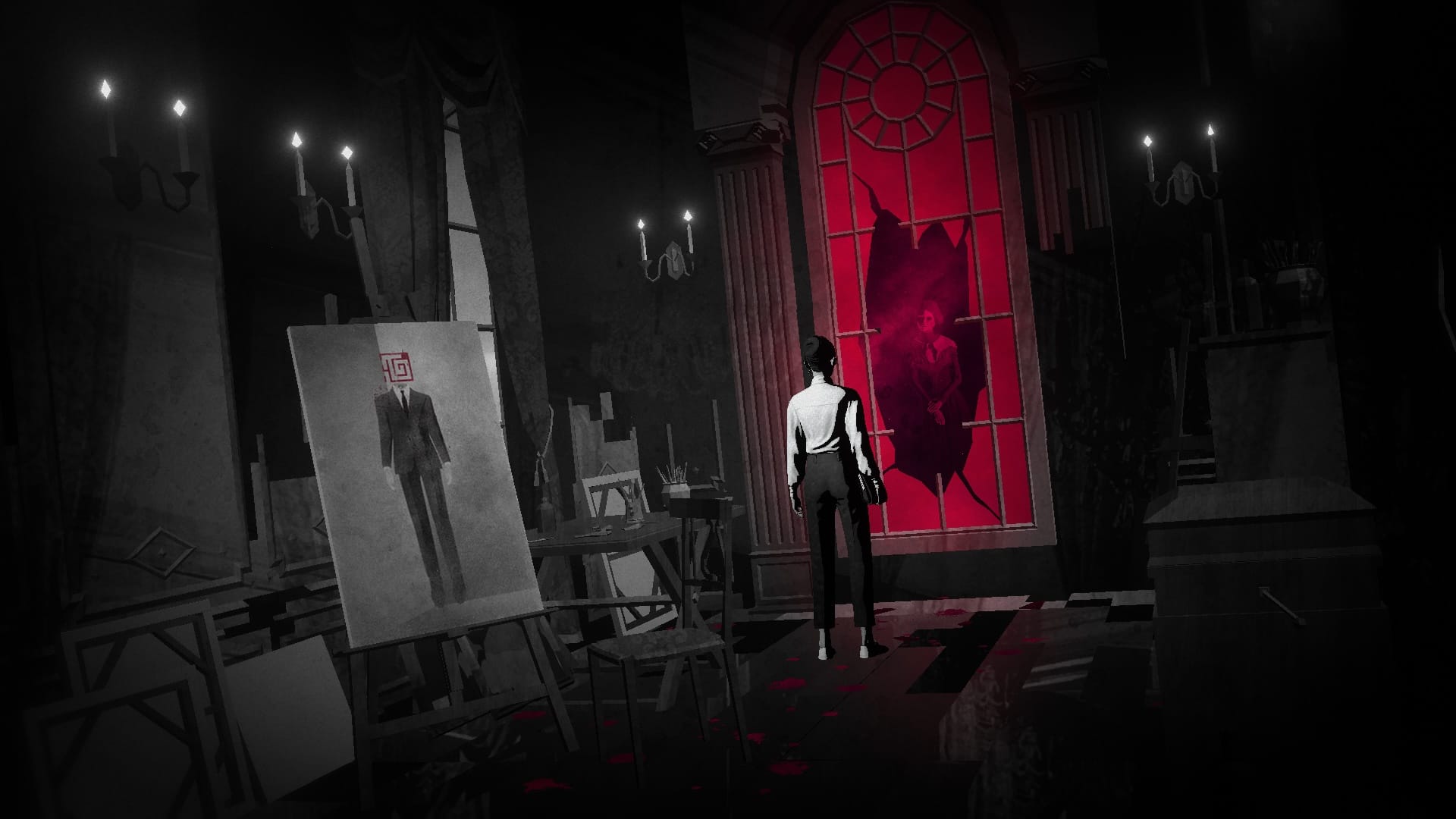
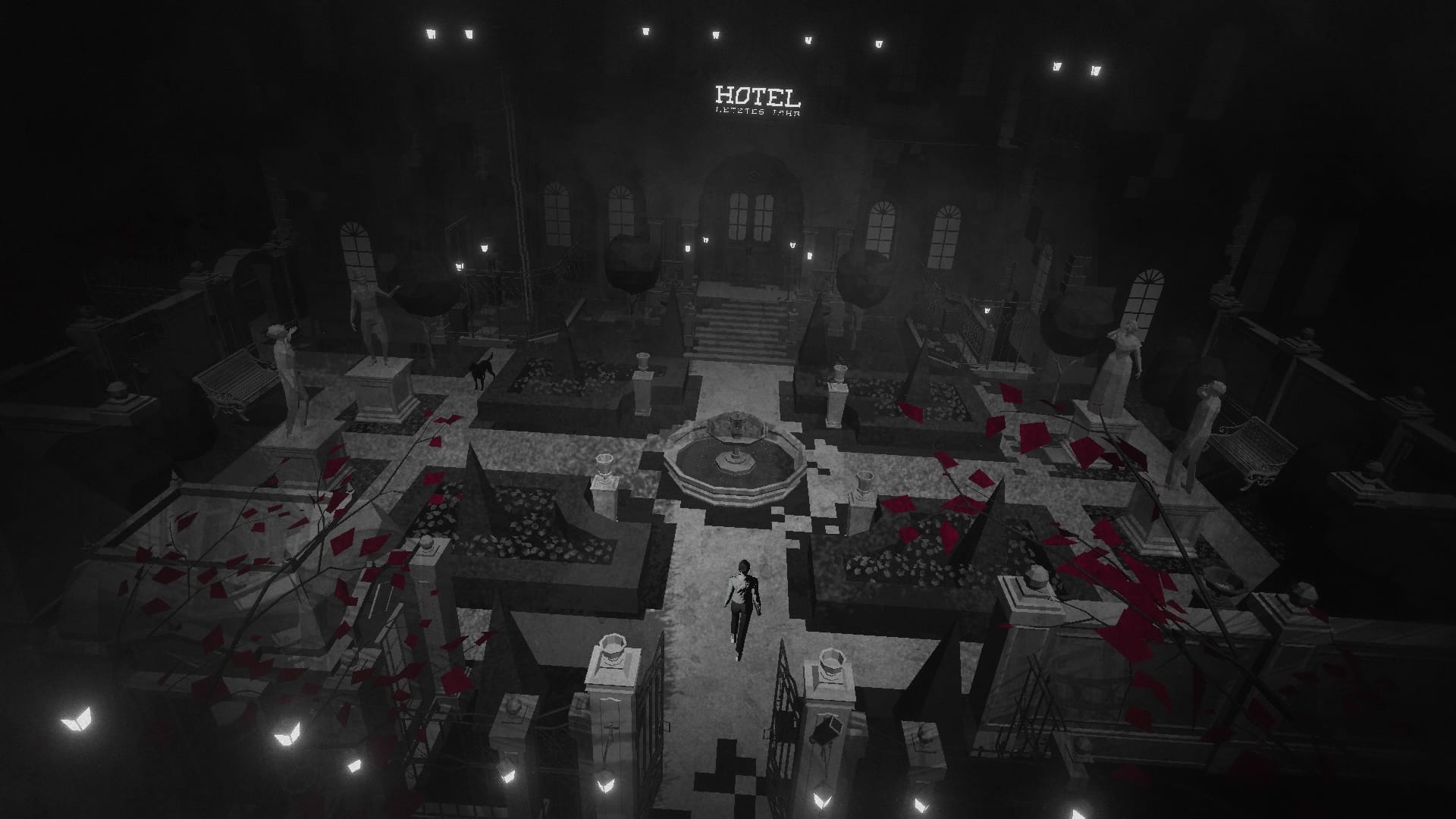
Lorelei's modest color palette marked a conscious shift away from the bright colors of the team's previous game, Sayonara Wild Hearts. | Images: Simogo